- English
- Español
- Português
- русский
- Français
- 日本語
- Deutsch
- tiếng Việt
- Italiano
- Nederlands
- ภาษาไทย
- Polski
- 한국어
- Svenska
- magyar
- Malay
- বাংলা ভাষার
- Dansk
- Suomi
- हिन्दी
- Pilipino
- Türkçe
- Gaeilge
- العربية
- Indonesia
- Norsk
- تمل
- český
- ελληνικά
- український
- Javanese
- فارسی
- தமிழ்
- తెలుగు
- नेपाली
- Burmese
- български
- ລາວ
- Latine
- Қазақша
- Euskal
- Azərbaycan
- Slovenský jazyk
- Македонски
- Lietuvos
- Română
- Slovenski
- Eesti Keel

Why Upgrade to a Hotel Apartment Lock for Smoother Check-Ins and Safer Stays?
Article Summary
A Hotel Apartment Lock is no longer “just a lock.” In real operations, it becomes the front line of your guest experience, staff efficiency, and property protection. When keys go missing, guests arrive late, cleaners need access, and managers must prove who entered which room—traditional hardware starts to crack under daily pressure.
This blog breaks down the most common pain points (lost keys, manual handovers, access disputes, turnover chaos) and turns them into a clear buying and deployment plan. You’ll get a feature-to-benefit table, selection checklist, recommended access workflows, and a FAQ to help you decide what matters before you invest.
Quick takeaways:
- Choose access methods that match your guest mix (cards, PINs, mobile, mechanical backup).
- Prioritize audit trails and role-based access if multiple teams touch rooms.
- Plan for offline reliability, battery management, and emergency access from day one.
- Think beyond the room door: public areas, staff doors, and management workflows matter.
Table of Contents
Outline
- Identify the daily operational friction around access and turnover
- Map must-have capabilities to measurable outcomes (speed, control, accountability)
- Use a checklist to match lock type to door, environment, and guest profile
- Design access rules for guests, cleaning, maintenance, and managers
- Build a simple maintenance plan to avoid lockouts and downtime
The Real Problems a Lock Should Solve
If you manage a hotel, serviced apartment, or short-term rental portfolio, you already know the “lock problem” is rarely about metal and screws. It’s about predictability. Guests arrive at odd hours. A cleaner needs access but shouldn’t roam freely. A contractor must enter one unit—only once. Someone claims “the door was already open,” and suddenly you’re stuck in a he-said-she-said spiral.
Here are the pain points that show up again and again:
- Late-night check-ins that force staff to wait or hosts to travel across town for a key handover.
- Lost keys and rekey costs (plus the uncomfortable “who might have a copy?” question).
- Unclear accountability when multiple teams touch a unit—front desk, housekeeping, maintenance, management.
- Turnover bottlenecks where access delays cause cleaning to start late and guest satisfaction drops.
- Disputes and damage claims that become hard to resolve without reliable entry records.
- Inconsistent standards across multiple sites or mixed-use properties (hotel floors + apartment floors).
A modern Hotel Apartment Lock should reduce these problems—not introduce new ones. The best systems make access easier for the right people and harder for everyone else, while leaving a clear operational trail you can trust.
Features That Actually Matter (and Why)
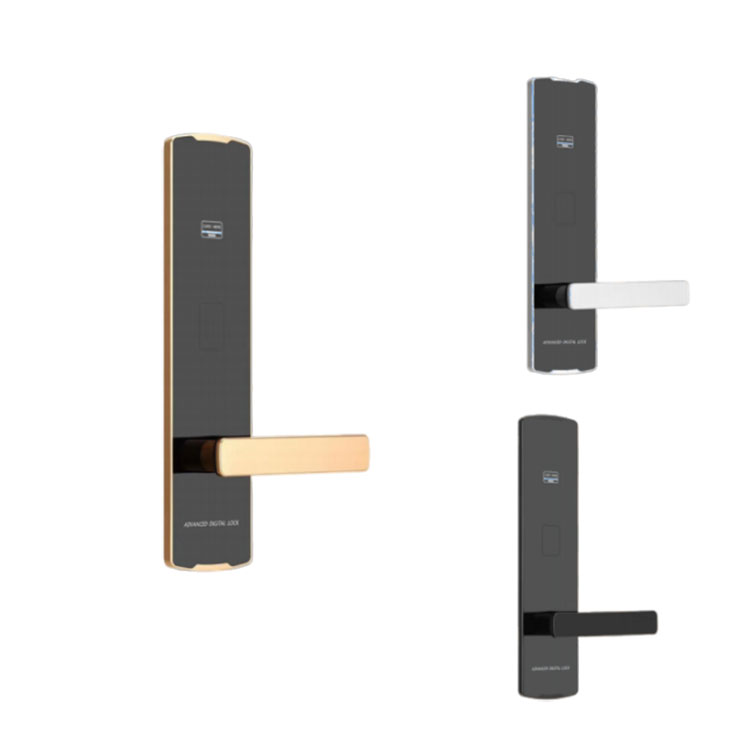
Lock listings often read like a spec-sheet contest. Instead, focus on outcomes: fewer lockouts, faster check-ins, cleaner staff coordination, and fewer disputes. Use the table below as a reality check when comparing options.
| Capability | What It Solves | What to Ask Before Buying |
|---|---|---|
| Multiple access methods (card/PIN/mobile) | Supports different guest preferences and reduces front-desk pressure. | Can I enable/disable methods by room type or guest type? |
| Time-based access | Prevents early entry, limits staff access windows, helps with late check-out rules. | Can I set start/end times per credential, and can I change them quickly? |
| Audit trail (entry records) | Resolves disputes and improves internal accountability. | How long are logs kept, and how easily can I export or review them? |
| Role-based permissions | Stops “everyone can open everything” chaos. | Can I assign housekeeping vs. maintenance vs. managers with different rights? |
| Offline reliability | Keeps rooms accessible even if Wi-Fi is unstable. | What happens if the network goes down—does guest access still work? |
| Emergency access & backup | Reduces panic during battery issues or guest mistakes. | Is there a mechanical key override or emergency power option? |
| Tamper alerts & privacy mode | Protects guests and discourages forced-entry attempts. | Does the lock notify staff of repeated failed attempts or unusual behavior? |
Notice what’s missing: buzzwords. You’re looking for a Hotel Apartment Lock that behaves like a small access-control system, designed for hospitality realities—frequent turnover, lots of users, and constant exceptions.
How to Choose the Right Lock for Your Property
The “right” lock depends on your building, your guests, and how your teams work. Don’t start by picking a model—start by defining constraints.
Selection checklist (printable mindset):
- Door type & thickness: Is it a standard swing door, fire-rated door, or metal-framed apartment door?
- Backset & latch style: Do you need a mortise lock body or a simpler latch solution?
- Traffic level: Budget apartment floors and high-turnover units need stronger wear tolerance.
- Guest profile: International travelers often prefer cards; long-stay guests may like PIN/mobile convenience.
- Operations style: Centralized front desk vs. decentralized self-check-in changes everything.
- Power habits: Who monitors batteries, and how will you avoid emergency lockouts?
- Access rules: Do you need time windows for cleaners, contractors, or delivery teams?
- Scaling plan: One building today, five next year—will management stay consistent?
If you run mixed properties (hotel + apartment), consistency matters. Standardizing on a Hotel Apartment Lock family can reduce training time, spare parts complexity, and troubleshooting delays—especially when staff move between sites.
And yes, aesthetics count. Guests judge safety partly by perception. A well-finished lock with solid tactile feedback subtly signals “this place is professionally managed,” while a flimsy keypad can make even a clean unit feel questionable.
A Cleaner Access Workflow for Guests and Staff
Buying a lock doesn’t automatically fix operations—workflow does. Here’s a simple access model that reduces friction without turning management into a full-time admin job.
- Guest access: Send credentials after identity verification or booking confirmation; set valid check-in and check-out times.
- Housekeeping access: Enable a limited daily window (for example, 10:00–16:00) and restrict to assigned floors/units.
- Maintenance access: Use ticket-based temporary access (single day or single entry), then revoke automatically.
- Manager access: Full access with logging, used for audits, emergencies, and conflict resolution.
- Exceptional cases: Provide one-time codes or temporary cards for late arrivals, then expire them automatically.
This is where a good Hotel Apartment Lock earns its keep: not only by opening doors, but by reducing coordination messages like “Can you let me in?” “Where’s the spare?” “Who last entered this unit?”
Operational mini-rule that prevents drama:
Treat “access changes” like you treat “pricing changes”—scheduled, logged, and controlled. The more casual you are about credentials, the more accidental access you’ll eventually deal with.
Security Basics Without the Paranoia
Hospitality security is about sensible layers. You don’t need a spy-movie system—just strong fundamentals that reduce real-world risk.
- Use unique credentials: Avoid shared PINs across multiple units; rotate or expire codes by booking.
- Enable logging: Entry records are your calm, objective friend during disputes.
- Limit staff reach: Housekeeping doesn’t need master access to the entire building.
- Plan for emergencies: Define who can override access and under what documented conditions.
- Train for privacy: Teach staff to knock, announce, and respect privacy mode rules consistently.
- Protect the “admin layer”: Keep management accounts limited and controlled—fewer admins, better oversight.
A strong Hotel Apartment Lock setup should make the property feel effortless for guests and disciplined behind the scenes. When guests feel safe, they complain less, trust you more, and rebook more often. Simple.
Maintenance and Lifecycle Planning
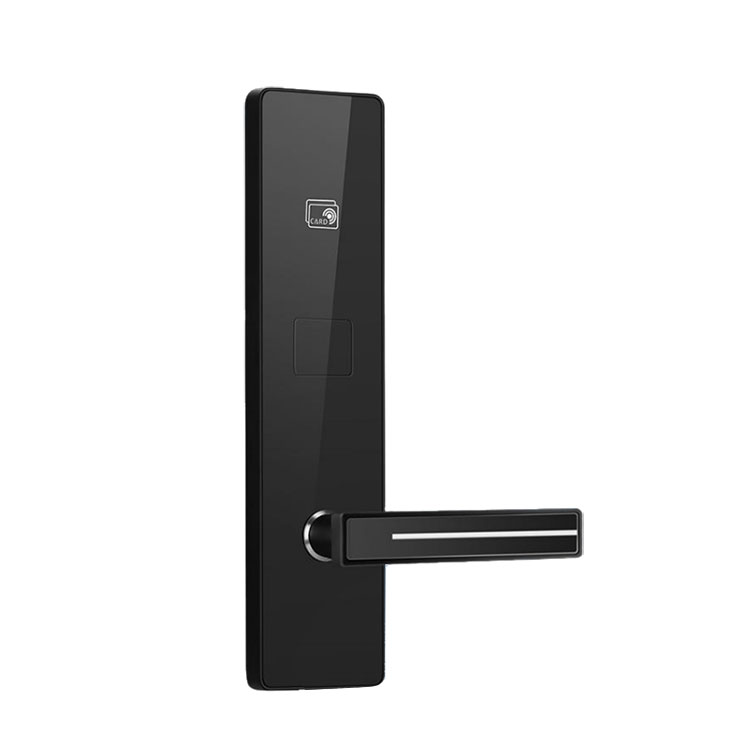
Most lock failures aren’t mysterious—they’re neglected. If you want stable operations, treat locks like essential infrastructure.
| Maintenance Task | Recommended Rhythm | Why It Matters |
|---|---|---|
| Battery check and replacement plan | Monthly review; replace on schedule rather than “when it dies” | Prevents guest lockouts and panic calls at midnight. |
| Mechanical inspection (handle, latch, alignment) | Quarterly (more often for high-turnover units) | Misalignment increases wear and causes intermittent failures. |
| Credential cleanup | Weekly or automated expiry policies | Reduces “ghost access” from old staff or expired bookings. |
| Spare parts & emergency kit | Keep on site at all times | Saves hours when a single unit’s lock becomes the bottleneck. |
If you’re comparing suppliers, ask how they support lifecycle planning: spare parts availability, installation guidance, and how clearly they explain operational best practices. A reliable manufacturer should help you avoid avoidable mistakes.
FAQ
Q: Can a Hotel Apartment Lock work for both hotels and serviced apartments?
Yes—if you choose a solution designed for frequent turnover and multi-role access. Hotels often need fast issuance at the desk, while apartments may prioritize self-check-in. The best approach supports both styles without forcing you into complicated workarounds.
Q: Should I prioritize card access, PIN codes, or mobile access?
Match it to your guest profile and staffing. Cards feel familiar for hotels. PIN codes can be great for short-term rentals. Mobile access can be convenient, but you should still keep a backup method for guests who prefer not to use phones or in case of device issues.
Q: How do I reduce disputes about unauthorized entry?
Make logging non-negotiable and assign unique credentials by person and time window. When entry records are clear, disputes become easier to resolve fairly—protecting both guests and your staff.
Q: What about internet outages or weak building connectivity?
Look for offline-friendly operation for day-to-day access. Connectivity can help with centralized management, but room access shouldn’t collapse when Wi-Fi is unstable. Build your workflow so guests and staff can still enter when the network is down.
Q: Is installation complicated?
It depends on your door type and existing lock preparation. Standard doors are straightforward, while metal frames or certain commercial preparations may require specific lock bodies or professional fitting. Before ordering in bulk, test one unit and confirm alignment, latch operation, and staff training time.
Q: How do I avoid guest lockouts due to low battery?
Don’t rely on “someone will notice.” Use a routine: scheduled battery checks, a replacement policy before critical thresholds, and an emergency plan for after-hours calls. Consistency beats heroics.
Next Steps
If you’re evaluating a Hotel Apartment Lock, your best move is to treat it as an operational system, not a single piece of hardware. Start by listing your access roles (guest, housekeeping, maintenance, manager), define time windows, and decide how you’ll handle exceptions. Then select the lock capabilities that support those rules cleanly.
For property managers who want a supplier with hospitality-focused product options and practical deployment support, Zhongshan Kaile Technology Co., Ltd. provides lock solutions tailored for hotel and apartment use cases, helping teams modernize check-in while keeping control simple.
Ready to reduce key chaos, speed up turnover, and make your entrances feel professional? Contact us to discuss your door types, property size, and access workflow—then we’ll help you match the right solution to your rooms and operations.