- English
- Español
- Português
- русский
- Français
- 日本語
- Deutsch
- tiếng Việt
- Italiano
- Nederlands
- ภาษาไทย
- Polski
- 한국어
- Svenska
- magyar
- Malay
- বাংলা ভাষার
- Dansk
- Suomi
- हिन्दी
- Pilipino
- Türkçe
- Gaeilge
- العربية
- Indonesia
- Norsk
- تمل
- český
- ελληνικά
- український
- Javanese
- فارسی
- தமிழ்
- తెలుగు
- नेपाली
- Burmese
- български
- ລາວ
- Latine
- Қазақша
- Euskal
- Azərbaycan
- Slovenský jazyk
- Македонски
- Lietuvos
- Română
- Slovenski
- Eesti Keel

Why Does a Grip Lock Solve So Many Door Problems?
A door that “almost” closes, a handle that wiggles, a latch that sticks, keys that keep getting copied, guests who forget codes—these are small annoyances that quietly turn into support tickets, security worries, and replacement costs. A Grip Lock is one of the most practical upgrades when you want a door to feel solid, operate smoothly, and stay reliable under daily use. This guide breaks down what to look for, what to avoid, and how to choose the right configuration—especially if you’re comparing mechanical and smart options from manufacturers such as Zhongshan Kaile Technology Co., Ltd.
Abstract
This article explains what a Grip Lock is, which customer pain points it addresses, and how to specify the right lock for homes, rentals, offices, and hospitality projects. You’ll get a clear buying checklist, a comparison table against other lock types, installation tips to reduce rework, and a practical FAQ to answer procurement and maintenance questions.
Table of Contents
- Outline at a Glance
- What Is a Grip Lock and Where Does It Fit?
- Which Problems Does a Grip Lock Fix?
- What Should You Confirm Before You Buy?
- How Does a Grip Lock Compare to Other Lock Types?
- What Makes a Grip Lock Feel “Solid” Over Time?
- How Do You Avoid Installation Headaches?
- Where Does a Grip Lock Make the Most Sense?
- Maintenance and Troubleshooting
- FAQ
- Conclusion
Outline at a Glance
- Define what a Grip Lock is and why buyers choose it.
- Map common door problems to the features that actually solve them.
- Use a checklist to confirm fit, function, and durability before ordering.
- Compare lock types with a quick decision table.
- Share installation and maintenance practices that reduce callbacks.
- Wrap up with practical FAQs for procurement and operations teams.
What Is a Grip Lock and Where Does It Fit?
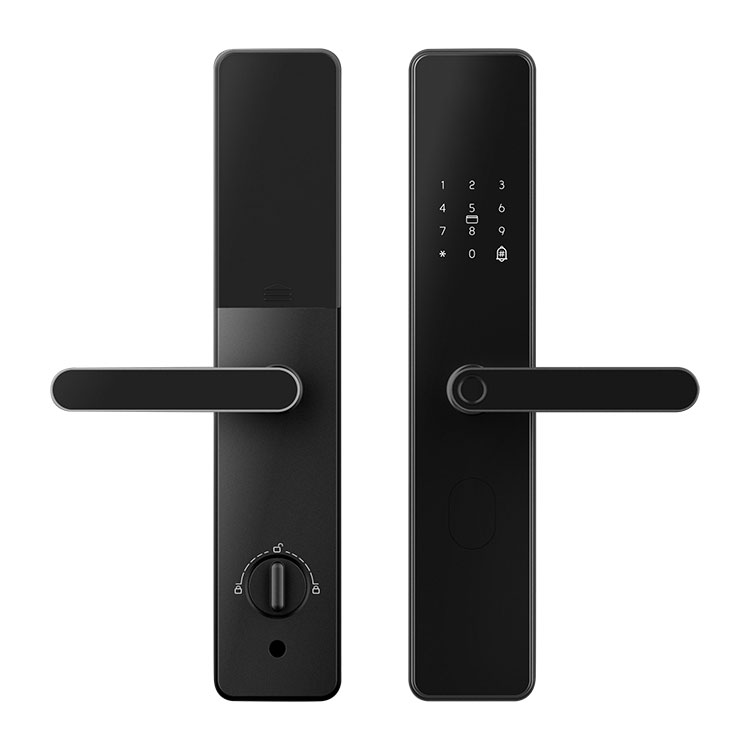
A Grip Lock is a door lock built around a “grip-style” handle—designed to be comfortable, intuitive, and sturdy in everyday use. In many designs, the handle and the locking mechanism are engineered as a single, unified set so that turning, latching, and locking feel consistent and secure. Compared with basic knobs or lightweight levers, a well-specified grip-style set is typically chosen when buyers want:
- Better ergonomics: easier gripping, especially for frequent entry/exit.
- More “confidence” in use: less wobble, less flex, less rattling.
- A more complete hardware solution: a consistent look and operation across many doors.
Quick reality check: “Grip lock” can describe different configurations depending on your market—mechanical cylinders, privacy functions, or smart access variants. The right approach is to specify the function you need first, then match the design.
Which Problems Does a Grip Lock Fix?
Customers rarely shop for a Grip Lock because it sounds fancy. They shop because something hurts—security, reliability, guest experience, maintenance time, or the “cheap hardware” feeling that makes a building look tired. Here are the most common pain points and what to look for.
- Loose handles and constant tightening: Look for robust fastening methods and hardware designed to resist loosening under vibration and frequent use.
- Sticky latches and misalignment: Check that the latch style matches the door prep and that there’s tolerance for real-world door frames that aren’t perfectly square.
- Key chaos: If you manage rentals, staff access, or frequent turnover, plan your keying strategy (keyed-alike, master key system, or code-based access).
- Privacy complaints: Bathrooms and bedrooms need the right “function,” not just a lock. Choose privacy, passage, keyed entry, or smart access based on the space.
- Durability under high traffic: For hotels, offices, and multi-family buildings, the lock has to withstand thousands of cycles. Ask for documented performance targets and test standards used by the supplier.
- Unclear accountability: If “anyone can open it,” problems multiply. Access logging (common in smart options) and controlled credential management reduce finger-pointing.
What Should You Confirm Before You Buy?
Most lock regret comes from mismatched specifications—not from choosing the “wrong brand.” Before you order a Grip Lock (especially in bulk), confirm the practical details below. This saves you from returns, rework, and installation surprises.
| Decision Factor | What to Verify | Why It Matters |
|---|---|---|
| Door thickness | Exact door thickness range supported | Wrong thickness = poor engagement, wobble, or failed install |
| Backset and bore prep | Backset size and hole locations | Ensures the latch lines up and the handle sits flush |
| Handing | Left/right door orientation or reversible design | Avoids field modifications and inconsistent operation |
| Function type | Passage, privacy, keyed entry, or smart access | Correct function prevents user frustration and policy violations |
| Security expectations | Cylinder option, anti-tamper needs, access control plan | Aligns hardware with real threat level, not assumptions |
| Finish and environment | Indoor/outdoor use, humidity, corrosion resistance | Prevents premature wear and ugly pitting |
| Lifecycle support | Spare parts, warranty scope, response process | Cuts downtime and avoids full replacement for small issues |
Procurement tip: If you’re sourcing from overseas, request clear drawings (door prep and dimensions), function descriptions, and packaging details. A “perfect” lock that arrives without matching strike plates or missing screws quickly becomes a problem.
How Does a Grip Lock Compare to Other Lock Types?
Not every door needs a Grip Lock. Sometimes a basic passage lever is enough. Use this comparison to pick the simplest solution that still meets the real requirement.
| Option | Best For | Typical Pros | Typical Trade-Offs |
|---|---|---|---|
| Grip Lock | Frequent-use doors needing a solid feel and reliable operation | Ergonomic, sturdy, consistent set; often more premium appearance | Requires correct spec matching; can be higher cost than basic hardware |
| Standard knob lock | Low-traffic, basic rooms with minimal access control needs | Simple, widely available, familiar | Less ergonomic; can feel flimsy; higher complaint rate in busy settings |
| Lever lock | General interior doors, accessibility-friendly designs | Easy operation; lots of styles | Quality varies widely; cheaper models loosen over time |
| Mortise lock set | High-end projects and heavy-duty commercial applications | Strong structure; long lifecycle when correctly installed | More complex door prep; higher install skill required |
What Makes a Grip Lock Feel “Solid” Over Time?
Buyers often describe a good Grip Lock with words like “smooth,” “firm,” and “quiet.” Those feelings usually come from engineering details that reduce play, keep alignment stable, and survive repeated cycles. When you evaluate product options, look beyond photos and ask for the details that influence real performance:
- Stable handle connection: a design that resists loosening, twisting, and vibration.
- Consistent latch engagement: a latch that enters the strike smoothly without scraping or “half catching.”
- Good strike alignment tolerance: real doors move with temperature and humidity; your lock should still work.
- Finish durability: especially important for coastal, humid, or high-touch environments.
- Clear spare parts path: cylinders, handles, and springs are the difference between a 10-minute fix and a full replacement.
Do this when you receive samples: Install one on a real door and cycle it repeatedly. Listen for scraping, check for handle return consistency, and confirm the door closes cleanly without “shoulder checking” it.
How Do You Avoid Installation Headaches?
Even a premium Grip Lock performs poorly if the door prep is wrong or the strike plate is misaligned. These steps reduce the most common callbacks.
- Confirm door handing before you open the box. Mixing left/right sets creates rushed modifications that lead to looseness.
- Measure door thickness and backset. A few millimeters can be the difference between “tight and stable” and “never quite right.”
- Install the strike plate carefully. Many “lock problems” are actually strike alignment problems.
- Check the latch action with the door open first. Ensure smooth movement before you blame the frame.
- Tighten in a balanced pattern. Uneven tightening can cause tilt, friction, and early wear.
- For smart variants, plan your user flow. Decide who issues codes/cards, how you revoke access, and what happens when batteries run low.
Where Does a Grip Lock Make the Most Sense?

A Grip Lock is especially useful when the door is used frequently, when user experience matters, or when you need predictable durability. Here are common scenarios where it pays off.
- Rental properties and short stays: reduce lockouts, streamline turnover, and control access changes.
- Hotels and serviced apartments: a consistent feel across rooms plus easier maintenance planning.
- Offices and shared spaces: manage staff access without endless key copies.
- Homes with high daily traffic: front doors, side doors, and commonly used interior doors where “feel” matters.
Choosing between mechanical and smart: If you rarely change who has access, mechanical can be perfect. If you manage turnover, remote access needs, or auditability, smart functions can reduce friction—when your process is ready for it.
Maintenance and Troubleshooting
Most Grip Lock issues are predictable and preventable. A simple routine keeps operation smooth and extends service life.
- Quarterly: check handle tightness, confirm the strike plate isn’t drifting, and listen for new friction sounds.
- When the door “sticks”: inspect frame alignment first; many problems come from swelling doors or shifted hinges.
- If the latch feels gritty: clean the latch area and confirm the strike opening isn’t scraping the latch.
- If users report “it won’t lock”: confirm the latch is fully seated; partial closure often prevents proper locking.
- For battery-powered smart models: set a replacement schedule and keep spare batteries on-site to avoid emergency lockouts.
FAQ
Q: Is a Grip Lock only for interior room doors?
Not necessarily. “Grip lock” describes the handle style and set concept more than the door location. The right configuration depends on your security level, weather exposure, and the function you need (privacy vs keyed entry vs smart access).
Q: What’s the most common reason a Grip Lock feels loose?
Usually mismatched door thickness or incorrect installation torque. The next most common cause is heavy traffic plus periodic tightening being skipped. Confirm dimensions up front and establish a simple inspection routine.
Q: How do I choose between privacy and keyed entry?
Privacy is typically used for bathrooms and bedrooms where you want a simple interior lock with emergency override. Keyed entry fits doors where you must restrict access more strictly (storage rooms, certain office doors, or rental situations where keys remain part of policy).
Q: Can I standardize one Grip Lock across an entire building?
You can standardize the look while varying the function. Many projects keep the same handle style but choose passage for hall closets, privacy for bathrooms, and keyed or smart entry for restricted doors.
Q: What should I request from the supplier before placing a bulk order?
Ask for dimension drawings, door prep diagrams, function descriptions, finish options, and a clear spare parts and warranty process. If you’re buying smart variants, confirm credential management and any operational requirements like battery type and replacement guidance.
Conclusion
A Grip Lock is a straightforward way to upgrade the daily reality of a door: fewer “jiggle it again” moments, fewer loose-handle complaints, and a more confident close-and-lock feel for users. The key is to match function and specs to the door you actually have—then back it up with sensible installation and maintenance habits. If you’re evaluating options or planning a bulk order, Zhongshan Kaile Technology Co., Ltd. can support product selection and configuration planning for your use case.
Ready to reduce lock-related headaches and standardize a better door experience? Tell us your door type, function needs, and project volume—then contact us for a tailored recommendation and quotation.