- English
- Español
- Português
- русский
- Français
- 日本語
- Deutsch
- tiếng Việt
- Italiano
- Nederlands
- ภาษาไทย
- Polski
- 한국어
- Svenska
- magyar
- Malay
- বাংলা ভাষার
- Dansk
- Suomi
- हिन्दी
- Pilipino
- Türkçe
- Gaeilge
- العربية
- Indonesia
- Norsk
- تمل
- český
- ελληνικά
- український
- Javanese
- فارسی
- தமிழ்
- తెలుగు
- नेपाली
- Burmese
- български
- ລາວ
- Latine
- Қазақша
- Euskal
- Azərbaycan
- Slovenský jazyk
- Македонски
- Lietuvos
- Română
- Slovenski
- Eesti Keel

Why Is an Anti-theft Lock the First Upgrade for Safer Homes and Apartments?
Article Abstract
An Anti-theft Lock should do two things at the same time: raise the effort required to break in, and lower the effort required for you to live your life. But many people buy the wrong “secure” lock—one that’s hard to install, annoying to use, or easy to defeat in real-world scenarios. This article breaks down the most common customer pain points (lost keys, door prying anxiety, tenant turnover, package theft, and “Did I lock the door?” stress), then turns them into a clear buying and setup checklist. You’ll also see where modern smart features help (and where they don’t), how to compare options side-by-side, and how to avoid expensive mistakes before you place an order.
Table of Contents
- Outline
- Customer Pain Points an Anti-theft Lock Must Solve
- What “Anti-theft” Actually Means in Daily Use
- Features That Matter Most (and What to Ignore)
- Mechanical vs. Smart: A Simple Comparison Table
- Picking the Right Anti-theft Lock for Your Scenario
- Installation and Compatibility Without the Headache
- Daily Habits That Multiply Lock Security
- Buyer Checklist Before You Commit
- FAQ
- Conclusion and Next Step
Outline
- Define the real problems customers want an Anti-theft Lock to fix.
- Translate “security” into measurable, practical requirements.
- Identify features that improve protection without ruining convenience.
- Compare mechanical and smart solutions with a clear table.
- Match lock type to use case: home, rental, office, or apartment.
- Reduce installation risk by checking door and hardware compatibility.
- Use a buyer checklist and a FAQ to avoid common mistakes.
Customer Pain Points an Anti-theft Lock Must Solve
People rarely search for an Anti-theft Lock because they enjoy shopping for hardware. They search because something feels risky or inconvenient. If you can name your pain point clearly, you’ll choose better—and spend less.
- “My keys keep disappearing.” Lost keys aren’t just annoying; they create a security reset problem. Re-keying and copying costs add up.
- “I worry about prying and forced entry.” Many break-ins are fast and noisy. A lock should increase time and tools required.
- “I’m a landlord or manager.” Tenant turnover means key control issues, emergency access needs, and auditability (who entered, and when).
- “I travel a lot.” You want to confirm lock status remotely, share access safely, and reduce the chance of human error.
- “I want security, but I hate complicated tech.” If it’s annoying, people stop using it correctly. Convenience is part of security.
A strong Anti-theft Lock is the one that fits your lifestyle—because the “best” lock on paper is useless if your family avoids it or bypasses it.
What “Anti-theft” Actually Means in Daily Use
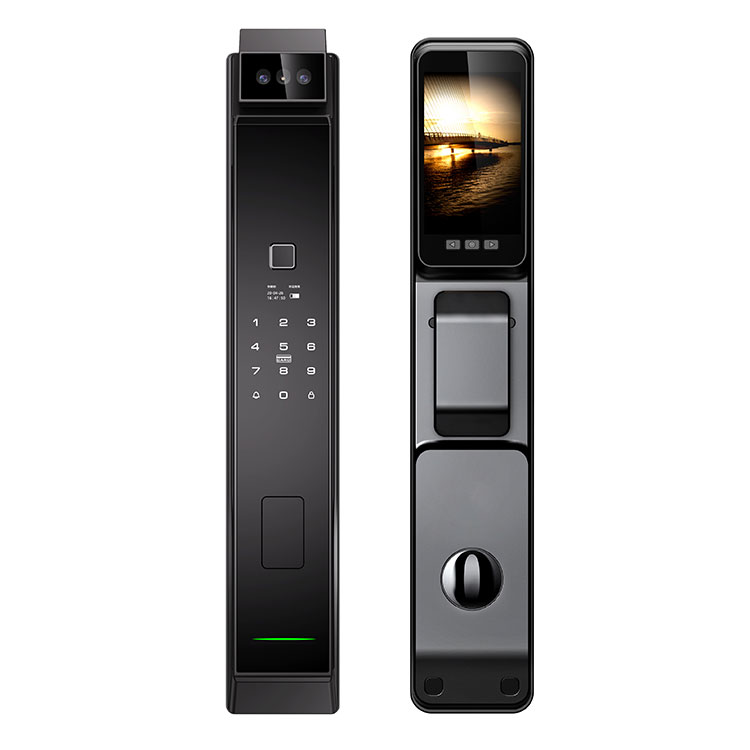
“Anti-theft” isn’t a marketing adjective—it’s a performance goal. In real homes and apartments, it usually means:
- Resistance to common forced-entry methods (especially prying and brute force at the door edge).
- Reliable locking behavior so the door doesn’t end up “almost locked” after someone rushes out.
- Controlled access so a copied key or shared passcode doesn’t become a permanent backdoor.
- Clear signals and alerts so you notice suspicious activity early, not after the fact.
In other words, an Anti-theft Lock should help you control time, access, and awareness. Time: make break-ins slower. Access: reduce unauthorized entries. Awareness: know what’s happening at your door.
Features That Matter Most (and What to Ignore)
Locks fail in two ways: they’re easy to defeat, or they’re too annoying to use correctly. Here’s a practical feature map—what to prioritize first, and what to treat as “nice-to-have.”
Prioritize these first:
- Strong lock cylinder / core to raise resistance against manipulation and unauthorized duplication.
- Multiple unlocking options so you have a backup path (for example: key + passcode + biometric), especially in emergencies.
- Temporary access credentials (temporary codes, time-limited permissions) for guests, cleaners, or deliveries.
- Anti-tamper detection and alarms that react to prying attempts or repeated failed unlock attempts.
- Clear status feedback so you can tell if the door is truly locked (not “maybe locked”).
Helpful for many households and rentals:
- Remote monitoring and notifications so you can confirm door activity while away.
- App-based management for permissions, logs, and quick access changes.
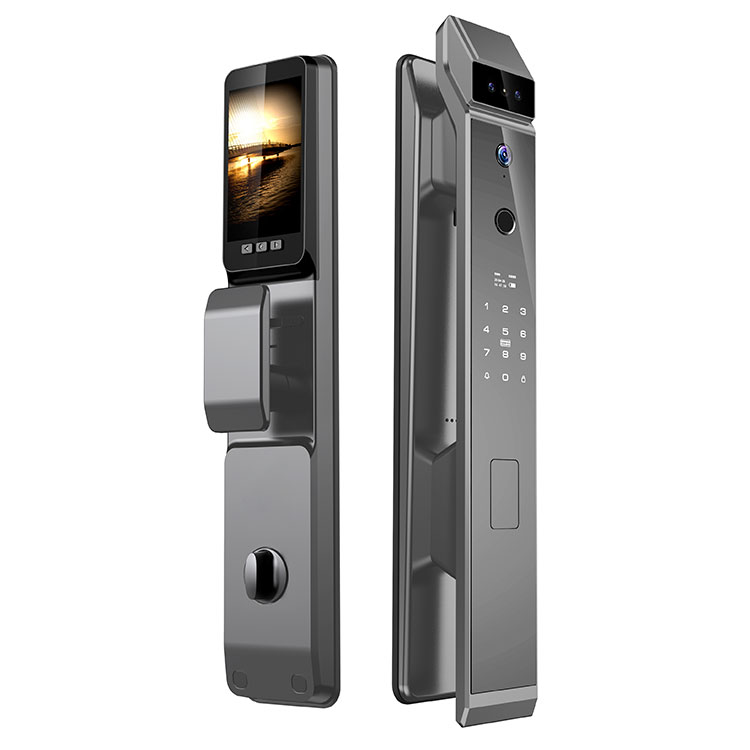
- Door viewer / wide-angle camera to reduce “open the door to check” risk and improve visitor awareness.
Nice-to-have (depends on your environment):
- Video calling at the lock if you frequently handle deliveries, visitors, or remote family support.
- Advanced biometrics (like face recognition) if hands-free access matters for your routine.
- Design finishes (colors, coatings) when matching door aesthetics is important.
One more real-world note: the best features are the ones you’ll actually use. If your household hates apps, prioritize straightforward passcodes and solid mechanical backups. If you manage multiple units, prioritize fast credential changes and clear access records.
Mechanical vs. Smart: A Simple Comparison Table
A classic mistake is treating this as a “tech vs. no tech” debate. It’s really a question of control and workflow. Use the table below to decide what improves your daily life and security.
| Decision Factor | Mechanical Anti-theft Lock | Smart Anti-theft Lock |
|---|---|---|
| Everyday convenience | Simple, familiar, key-based. | Fast access (codes/biometrics), fewer “where are my keys?” moments. |
| Guest / temporary access | Harder: requires key handoff and return control. | Easier: time-limited codes or permissions for visitors and service staff. |
| Monitoring and awareness | Limited: you’ll notice only after something happens. | Stronger: alerts, logs, and (optionally) visual door awareness features. |
| Power and reliability planning | No battery management. | Requires battery attention; best models add low-power alerts and backup entry methods. |
| Best for | Low-complexity households, budget upgrades, secondary doors. | Rentals, frequent travelers, busy families, property managers, front doors with high traffic. |
Picking the Right Anti-theft Lock for Your Scenario
Different doors have different risks. Here are quick recommendations based on common buyer situations:
- Apartment front door: prioritize strong core security, stable locking, and discreet access control. If hallway traffic is high, a door viewer or wide-angle camera feature can reduce unnecessary door opening.
- Single-family home: consider convenience plus awareness—especially if you use side doors often. Smart alerts help reduce the “Did I lock it?” spiral that leads to bad habits.
- Short-term rental / Airbnb: temporary codes and quick credential resets are essential. You need a workflow that doesn’t depend on physical key handoffs.
- Small office: prioritize access logs and controlled permissions. You want to know who entered and prevent “former employee keys” from becoming a future problem.
If you’re sourcing for projects or multiple properties, supplier consistency matters too: stable quality control, dependable lead times, and clear support. This is one reason many buyers work directly with manufacturers such as Zhongshan Kaile Technology Co., Ltd. when selecting an Anti-theft Lock line for ongoing procurement.
Installation and Compatibility Without the Headache
A lock can be “excellent” and still become a problem if it doesn’t match your door. Before ordering any Anti-theft Lock, confirm these basics:
- Door type and structure: wood, security door, metal, or composite—each affects mounting and stability.
- Existing lock position: check whether you’re replacing a similar footprint or doing a new cutout.
- Preferred access methods: do you need key backup, card access, passcodes, biometrics, or all of the above?
- Environment: if the door is exposed to dust, humidity, or heavy use, prioritize durability and stable performance.
- Household workflow: kids, seniors, frequent visitors—choose the unlock path that reduces friction.
If you’re buying in quantity (projects, apartments, or resellers), ask for clear specifications and verification support. The goal is to avoid surprises after installation—because “returns” are expensive when the lock is already on the door.
Daily Habits That Multiply Lock Security
No lock is magic. The smartest Anti-theft Lock works best when paired with simple habits that reduce risk:
- Use unique codes for different people (instead of one shared code for everyone).
- Rotate temporary access after service visits (cleaners, maintenance, short-term guests).
- Enable alerts for repeated failed attempts or abnormal door activity if your lock supports it.
- Keep a backup path (mechanical key or other method) in a secure location for power or device issues.
- Confirm door alignment so the lock fully engages—many “lock problems” are actually door/hinge problems.
These steps take minutes, but they close the gaps that burglars and opportunists look for.
Buyer Checklist Before You Commit
Use this checklist to choose an Anti-theft Lock with fewer regrets:
- What is the main risk I’m solving: lost keys, prying, unauthorized copies, tenant turnover, or travel?
- Do I need temporary access (time-limited codes) for guests or staff?
- Do I want remote awareness (notifications/logs), or is offline simplicity the priority?
- What are my non-negotiable backup methods (key, passcode, card, biometric)?
- Is my door type compatible, and am I replacing an existing lock footprint?
- What is my plan for battery management if I choose a smart lock?
- Who will install it, and do I have the required measurements ready?
- For bulk sourcing: can the supplier provide stable specs, consistent quality, and support for repeat orders?
FAQ
Q: Is a smart Anti-theft Lock always safer than a mechanical one?
A: Not automatically. Safety comes from how well the lock resists forced entry and how well you manage access. Smart features help when they improve control (temporary codes, logs, alerts). A strong mechanical lock can be excellent if your main risk isn’t access-sharing.
Q: What’s the biggest mistake buyers make?
A: Buying for features instead of workflow. If your household won’t use the app—or will share one code forever—your security weakens. Choose the simplest setup that your daily life will actually follow.
Q: Do I need multiple unlock methods?
A: In most real homes, yes. Redundancy prevents lockouts and reduces panic behavior (like hiding keys outside). A combination of passcode/biometric with a mechanical key backup is a common, practical approach.
Q: Are temporary codes really useful?
A: They’re one of the most practical upgrades for rentals and busy households. You can share access without copying keys, then revoke it without changing the entire lock.
Q: What should property managers prioritize when sourcing an Anti-theft Lock?
A: Fast credential resets, consistent specifications across units, dependable supply, and support that understands bulk needs. You want a system you can repeat reliably, not a one-off gadget that becomes hard to maintain.
Conclusion and Next Step
The right Anti-theft Lock isn’t the one with the longest feature list—it’s the one that makes break-ins harder, access cleaner, and your daily routine smoother. Start with your pain point, match features to your workflow, confirm door compatibility, and use the checklist to avoid common mistakes.
Ready to choose the best-fit Anti-theft Lock for your door type, project, or procurement plan? contact us to discuss your requirements and get a tailored recommendation that balances security, convenience, and long-term reliability.